

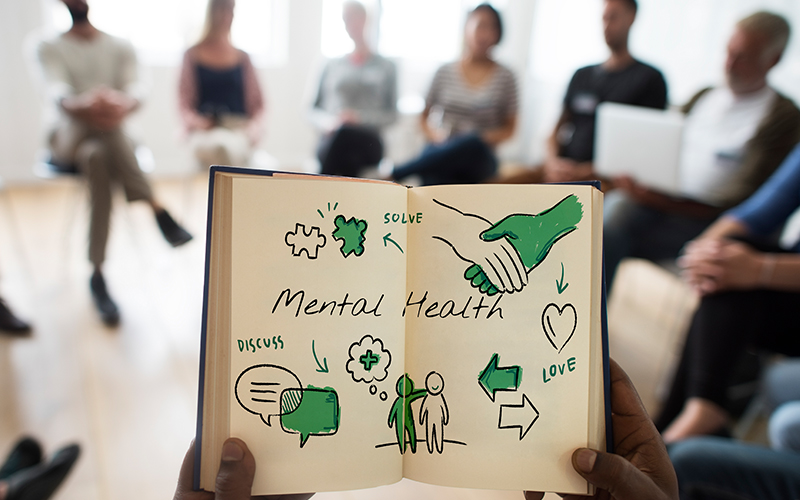
Mental health affects how we think, feel, act, and relate to others. Just like physical health, it plays a vital role in our overall wellbeing—yet it is often misunderstood, ignored, or surrounded by stigma. Mental Health Awareness is about changing that narrative and creating a world where everyone feels safe to talk, seek help, and heal.
Understanding Mental Health
Mental health is not just the absence of mental illness. It includes emotional resilience, self-esteem, healthy relationships, and the ability to cope with life’s challenges. Anyone, regardless of age, gender, background, or culture, can experience mental health struggles at some point in their life.
Common mental health challenges include:
Anxiety disorders
Depression
Stress and burnout
Trauma and post-traumatic stress
Loneliness and social isolation
Recognising these challenges early can make a significant difference in recovery and quality of life.
Breaking the Stigma
One of the biggest barriers to mental wellbeing is stigma. Many people suffer in silence due to fear of judgement, shame, or being misunderstood. This is especially true in communities where mental health is rarely discussed openly.
Mental Health Awareness encourages open conversations, normalises seeking help, and reminds us that asking for support is a sign of strength, not weakness.
Why Mental Health Awareness Is Important
Early intervention saves lives: Talking about mental health helps people seek support before reaching crisis point.
Improves relationships and communities: Understanding mental health builds empathy and stronger connections.
Promotes equality and inclusion: Everyone deserves access to culturally sensitive mental health support.
Supports long-term wellbeing: Awareness leads to healthier coping strategies and self-care habits.
How We Can Support Mental Wellbeing
Supporting mental health doesn’t always require professional expertise. Small, consistent actions can make a big difference:
Listen without judgement
Check in on friends, family, and colleagues
Encourage rest, balance, and self-care
Share reliable mental health resources
Create safe spaces for honest conversations
If someone is struggling, gently encourage them to seek professional or community-based support.